
So I don’t know about you – but it feels like every person I know is off gallivanting the world, traveling to far off places, posting about it on social media, and giving me serious travel envy. Then, I was asked to put together a presentation on jet lag for a group of athletes that are traveling to Japan with an exchange program and I thought – I wonder how many people know that you can reduce your jet lag symptoms by adjusting when you eat?? So here I am, telling you!
Jet lag is defined as “extreme tiredness and other physical effects felt by a person after a long flight across several time zones.” After high school, my friend Alyssa and I hopped on a plane and went to Thailand for 40 days and if I’m going to be completely honest with you – I don’t remember experiencing jet lag at all. But, here I am 9 years later planning for a trip to Italy with my husband and I have a feeling my body won’t be quite as resilient this time around. Common symptoms of jet lag include:
- fatigue
- insomnia
- loss of appetite
- disorientation
- reduced concentration
- reduced aerobic fitness
- reduced anaerobic fitness
- nausea
- GI distress
- joint swelling and stiffness
- muscle pain and stiffness
So how long does jet lag last? Scientists estimate that it will take one full day to recover for every time zone crossed. So for the athletes that were going to Japan for 10 days and crossing NINE time zones – they could potentially be experiencing symptoms for 9 of their 10 days! Not ideal right?
So – how do you manage jet lag??
First, we need a little background on how our sleep wake cycle works.
Our bodies work on a 24 hour cycle which is controlled by our circadian rhythms. These rhythms are measured by rise and fall of body temperature and levels of certain hormones and they are influenced by our exposure to sunlight. Exposure to sunlight tells our body that it should be awake and darkness tells our body that we should be asleep (for the most part).
Before you leave – you want to try to adjust your sleep schedule as close to your destination time zone as possible. So, three days prior to leaving, try to go to bed and wake up one hour early or later (depending on which direction your traveling). If you are traveling west and typically go to bed at 10PM and wake up at 6AM and you need to go to bed at 11PM the first night, 12AM the second night, and 1AM the night before your flight and wake up an hour later each morning (or do the reverse if you are traveling east) . This will start to transition your sleep wake cycle.
Also, doing a high intensity workout prior to your flight helps decrease high stress levels generally associated with flying and has been shown to help with jet lag symptoms.
Fasting has been shown to be very effective in reducing jet lag symptoms. Research shows that participants following a fasting protocol called the Argonne diet were 7.5 times less likely to experience jet leg symptoms upon arrival at their destination and 16.2 times less likely when they returned home. Sign me up!
Here is a modified version that was shared by Precision Nutrition:
- On your day of travel, eat a normal breakfast and normal lunch.
- Fast immediately before and especially during the flight – don’t forget to drink lots of water to stay hydrated!
- When you arrive, eat soon after landing, as close to local meal time as possible.
- Start a normal meal schedule based on local time.
- Fasting should last at least 14 hours but can last as long as 24 hours.
- You may need to adjust actual meal times based on your flight times.
While your traveling – stay well hydrated and continue your fast! The air quality on an airplane is extremely dehydrating so it is super important that you are drinking A LOT of water. Like all the time. I know it’s annoying to have to get up to go to the washroom 9847639 times during your flight but it’s good for you to be up and moving around every hour anyways. Make sure to avoid caffeine on the flight as it can do some damage on your circadian rhythms – that means coffee, tea and most pop. Essentially you should just stick to water and call it a day.
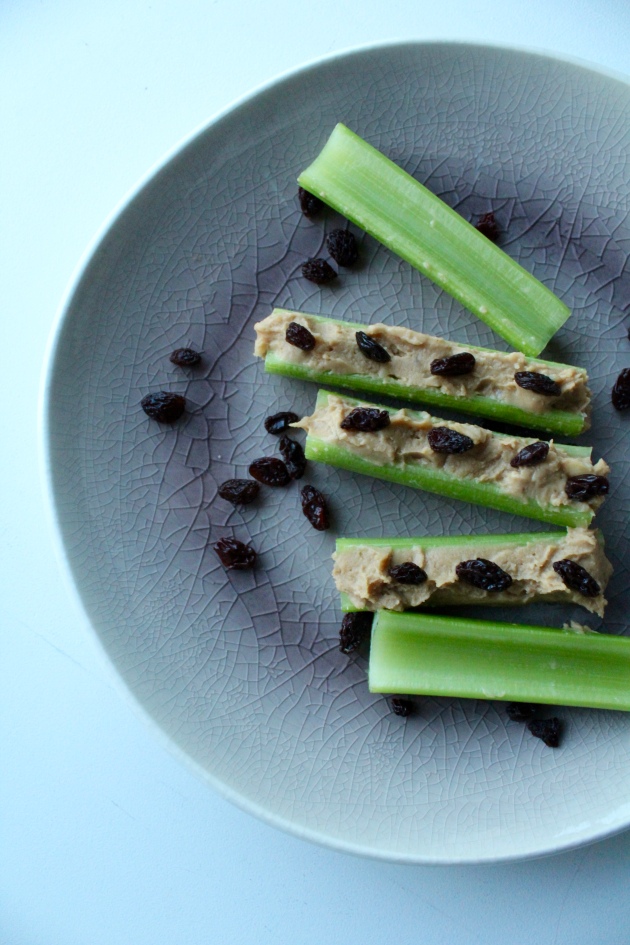
When you board the plane set your watch ahead to match the time zone of your destination. If fasting isn’t your jam and you plan on eating during your flight, it is important to pack your own food so that you aren’t at the mercy of the planes meal schedule. Try to adopt a similar meal and sleep pattern to your destination so that your body can begin to adjust. Here are some ideas for foods that don’t need to be refrigerated:
- Vegetables
- Fruit
- Crackers
- Nut Butter
- Fruit and Nut Bars
- Instant Oatmeal
- Trail Mix
- PB and J Sandwich
Once you arrive – expose yourself to sunlight and spend time with others. This will tell your body that it’s daytime and that you should be awake! If you really feel like you need to take a nap, make sure that you don’t sleep for longer than 30 or 40 minutes. When you wake up each morning try to expose yourself to sunlight as quickly as possible to get your body adjusted to your new time zone.
If you typically eat breakfast at 8AM, lunch at noon, and dinner at 5 PM – try to follow a similar schedule in your destination! This will help your body adjust in the same way that exposing it to light will.
Well – that’s it! I hope this information can help you get the most of your time oversees. I can’t wait to give it a shot during my trip to Italy 🙂


 Just Add Fudge